
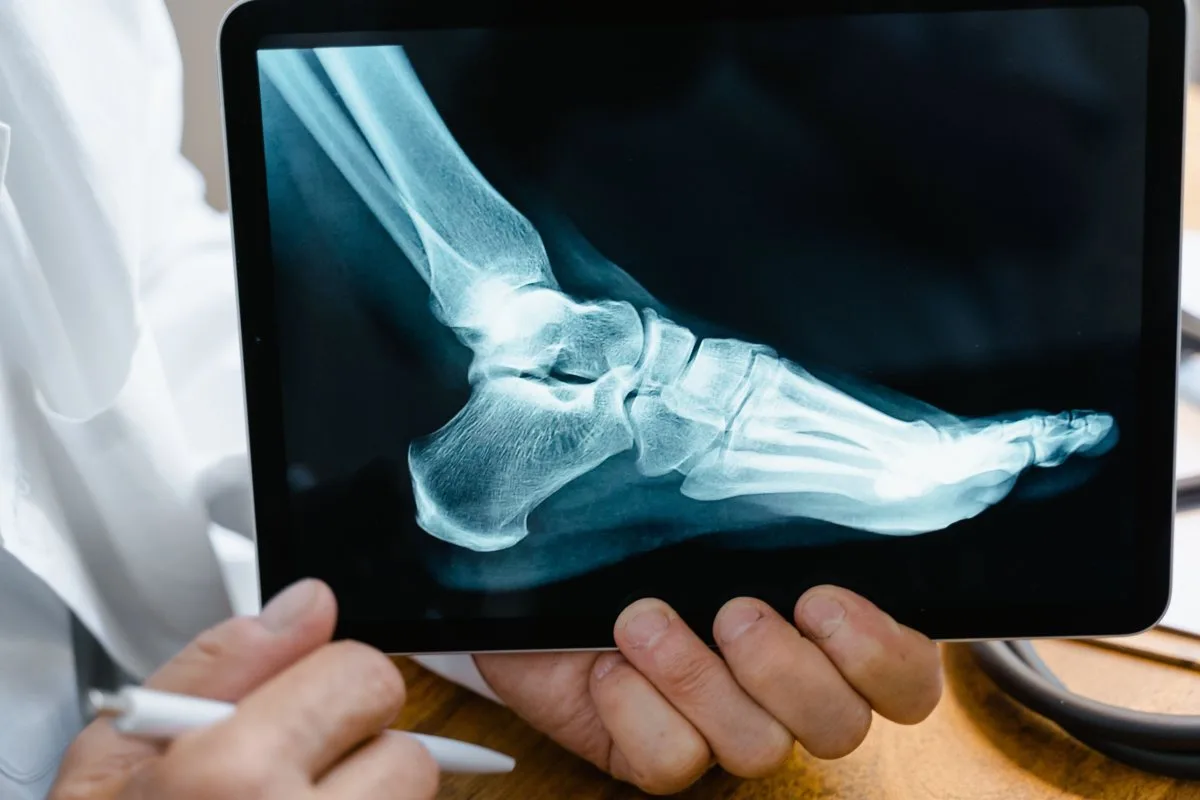
Orthopedics
Dr. Palash Gupta
Orthopaedic and Joint Replacement Surgeon
Dr. Palash Gupta
Orthopaedic and Joint Replacement Surgeon
- Specialty
- Orthopedics
- Based in
- New Delhi
- Years in practice
- 18 years
- Qualifications
- MBBS, MS
- Practises at
- Max Super Speciality Hospital, Saket
Consultant in orthopaedic surgery, treating the joints, bones and soft tissue that carry you — arthritic hips and knees, sports injuries, fractures and the pain that no longer responds to physiotherapy or injections. Joint replacement is the best known part of the work, but a consultation begins with whether an operation is the right answer at all, and what the alternative would look like.
What an orthopaedic surgeon treats
The joints, bones, ligaments and tendons that carry you — arthritic hips and knees, shoulder problems, sports injuries such as cruciate ligament and meniscal tears, fractures and their complications. Joint replacement is the best-known part of the work, but a large share of it is keyhole surgery, and a larger share still is deciding that surgery is not yet the answer.
When you would be referred
Pain that no longer responds to medication, injections or physiotherapy; pain that wakes you at night; or a joint that has started to limit how far you can walk or what you can do at work. For injuries, a joint that gives way, locks or cannot bear weight needs assessing rather than waiting out.
At the first consultation
Examination of the joint and how you move, a look at your X-rays or MRI, and an honest conversation about where you are on the curve. A good consultation begins with whether an operation is the right answer at all — replacing a joint too early spends an implant that has a finite life, and too late means rehabilitating from a worse starting point.
What to bring, and what to ask
Recent X-rays and any MRI, a note of what treatment you have already tried and for how long, and a clear sense of what you want to be able to do afterwards. Worth asking: what the alternative to surgery looks like, which implant is intended and why, how long the recovery really takes, and what the result depends on most — the answer is usually the physiotherapy.
Practises at
How we check this listing
Every consultant listed here is checked against their hospital’s own published profile before the page goes live, and re-checked when we are told anything has changed. Where we cannot confirm a detail, we leave it out rather than repeat it.
Photographs are shown only where we hold the right to publish them. Qualifications and experience are confirmed against each consultant’s own official profile before we publish them.
Treatments in Orthopedics
-
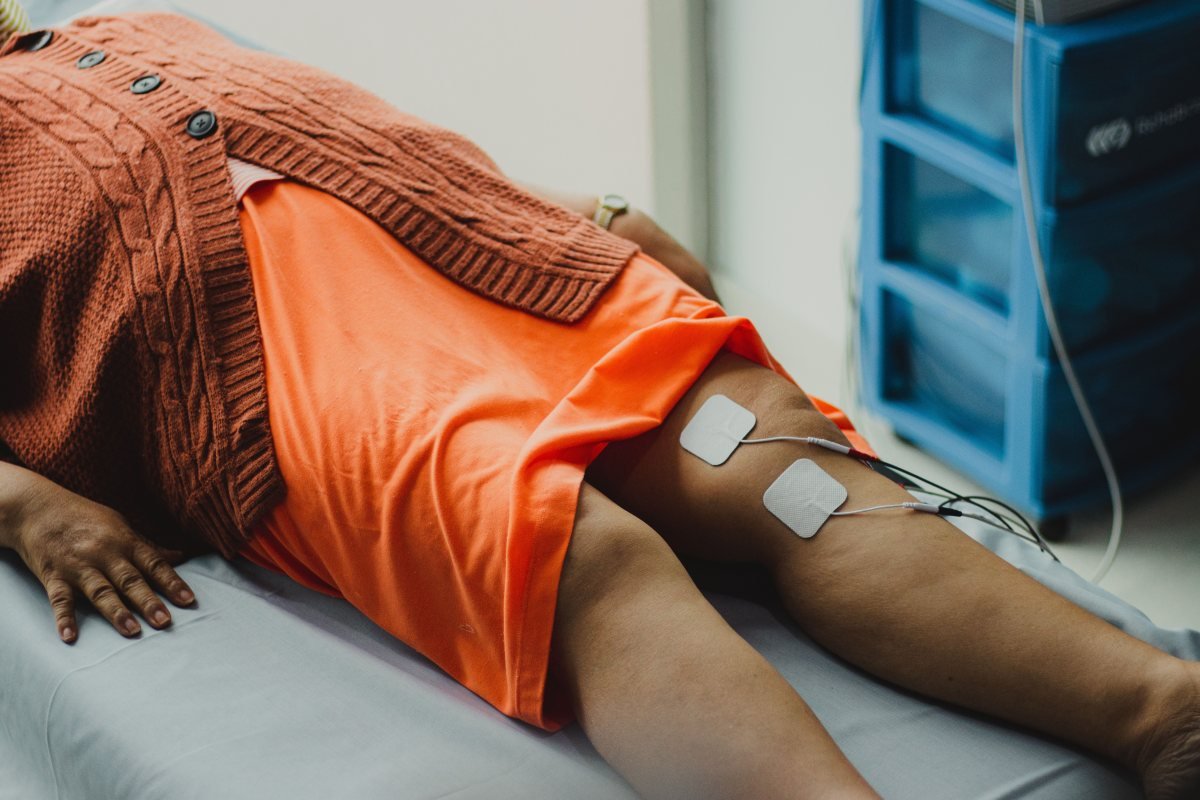
Total Knee Replacement
The worn knee joint is replaced with an implant. Most patients are walking with support within a day or two and complete...
-
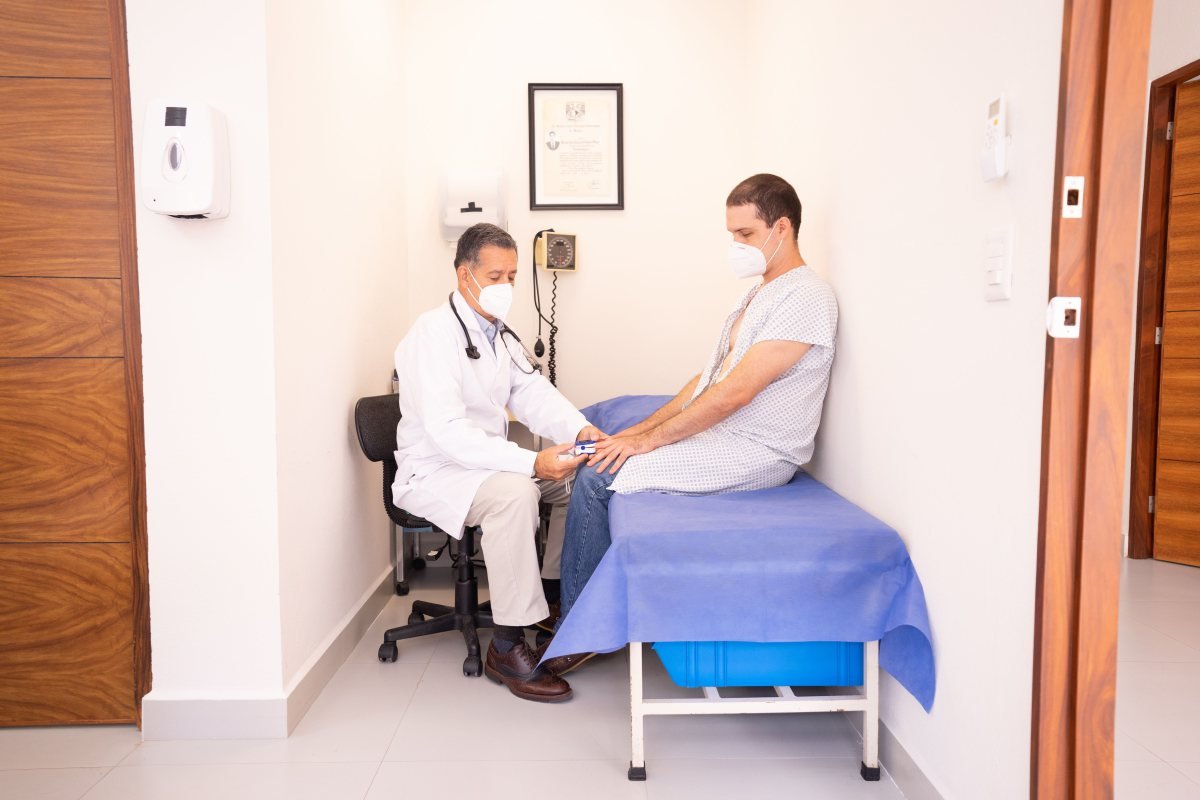
Partial Knee Replacement
Only the damaged compartment of the knee is replaced, preserving healthy bone and ligament. Suitable when arthritis is l...
-
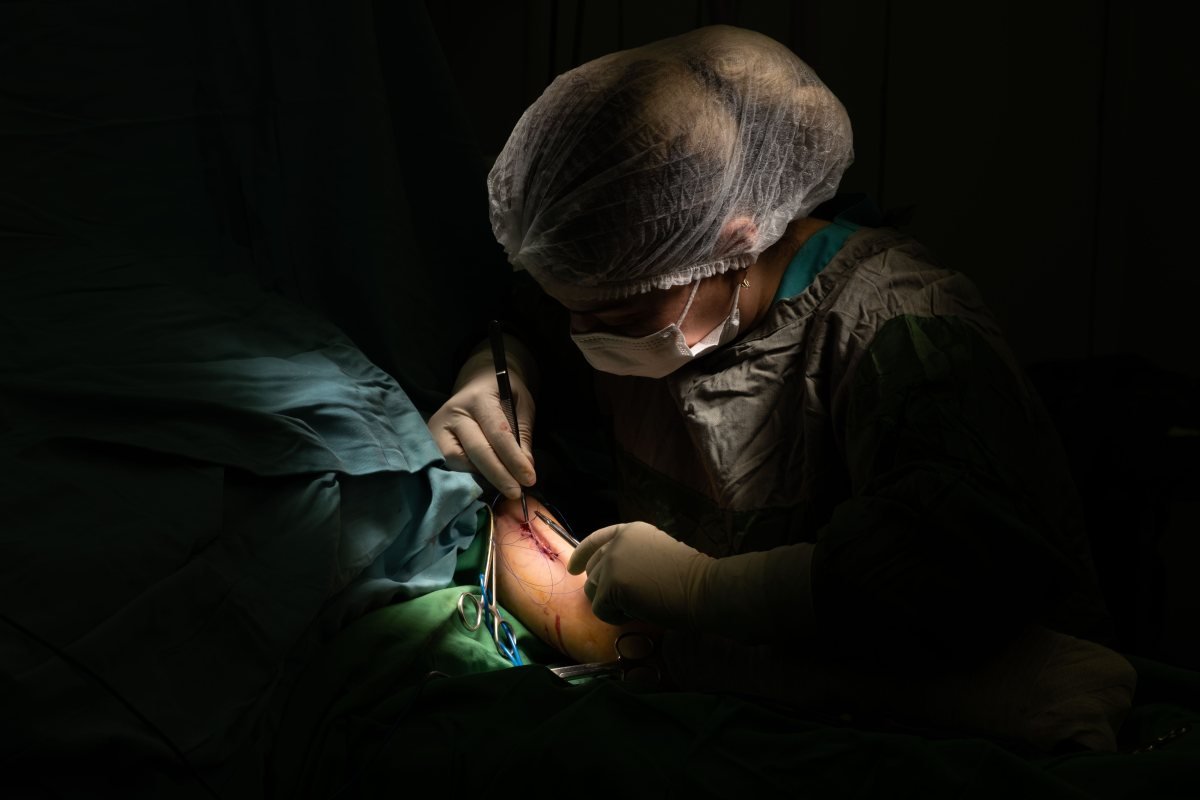
Revision Knee Replacement
Replacement of a previous implant that has loosened, worn or become infected. More complex than a first replacement, and...
-
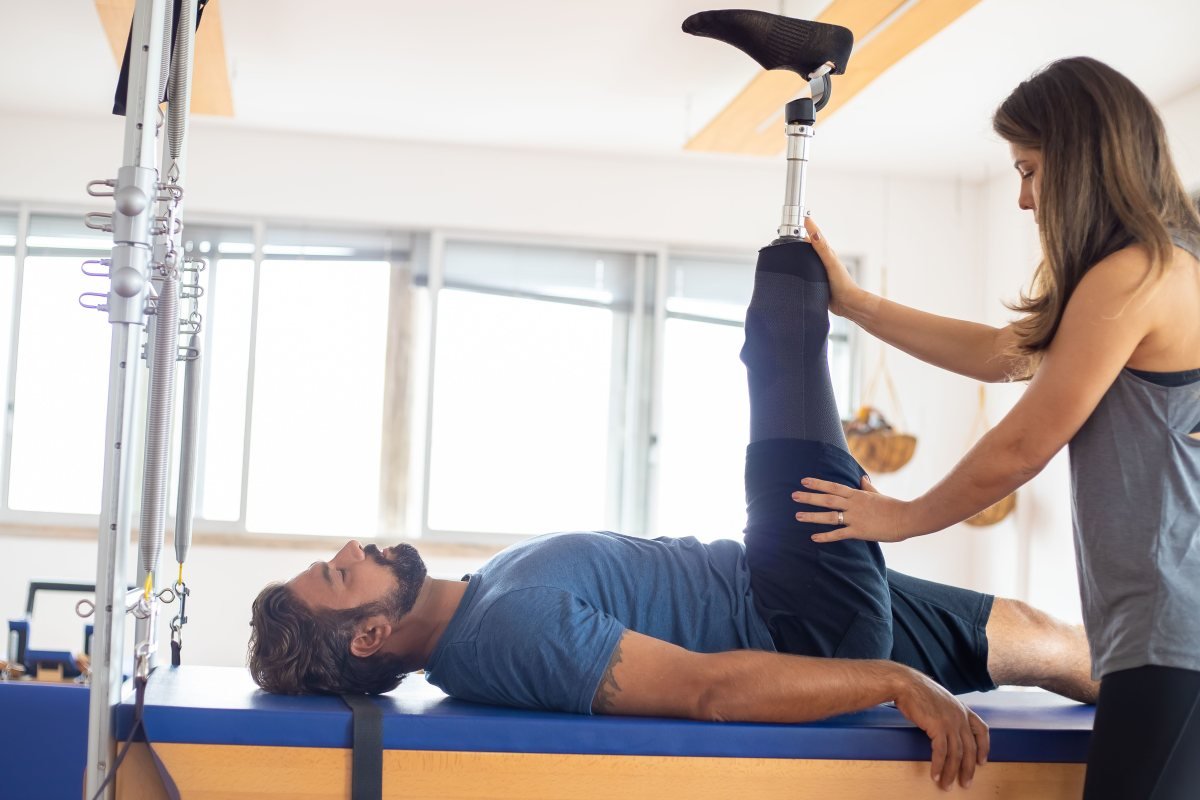
Total Hip Replacement
The hip joint is replaced with a prosthesis. We will confirm the bearing surface and fixation method your surgeon recomm...
-

Shoulder Replacement
The worn shoulder joint is replaced with an implant. Physiotherapy begins in hospital and continues after you go home.
-
ACL Reconstruction
A torn knee ligament is rebuilt using a graft, usually through keyhole surgery. Rehabilitation matters more than the ope...
Other consultants in this specialty
-
Representative image. Dr. Anil Behl
Cosmetic Surgeon
-
Representative image. Dr. Jayant Arora
Orthopaedic and Joint Replacement Surgeon
-
Representative image. Dr. Vikram Sharma
Urologist