
Transplants
Kidney Transplant
Living-donor kidney transplant. Donor workup, legal documentation and the recipient assessment are coordinated together, and the stay is longer than most procedures.
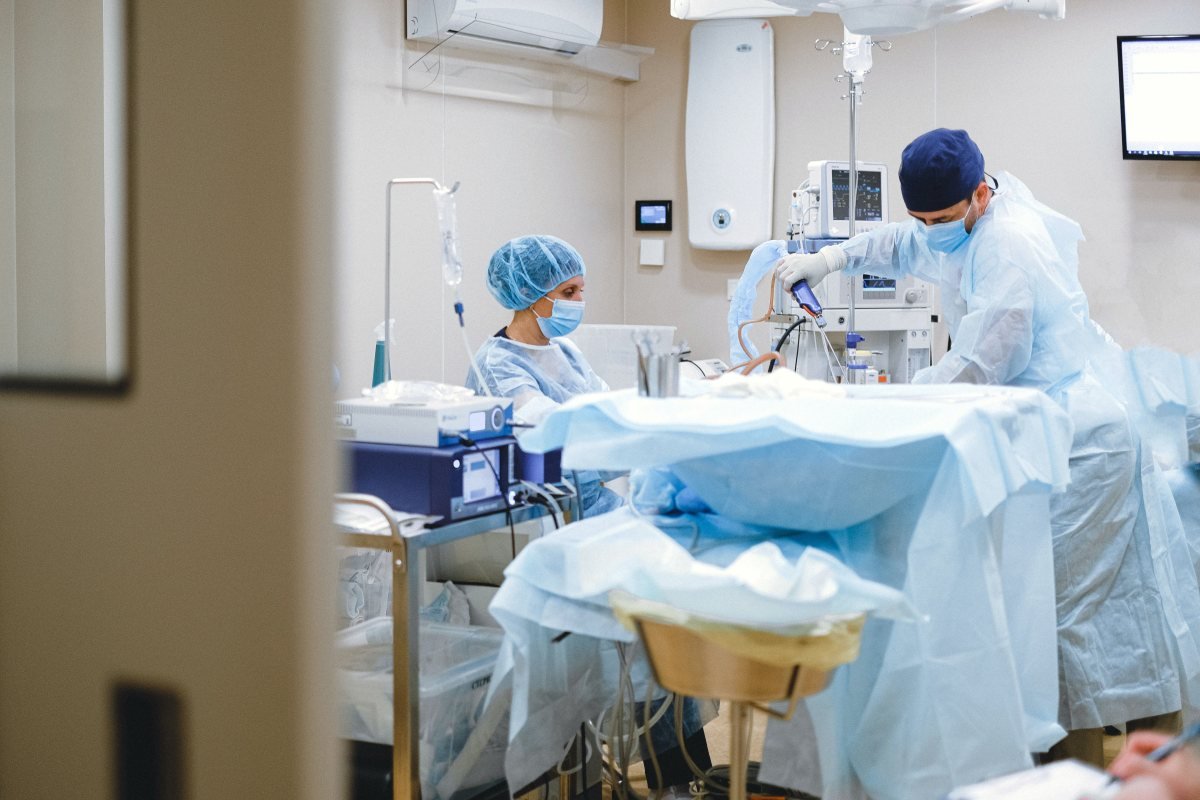
Living-donor kidney transplant. Donor workup, legal documentation and the recipient assessment are coordinated together, and the stay is longer than most procedures.
At a glance
- In hospital
- 12 days
- Total stay
- 60 days
- Cost
- Quoted after clinical assessment
A kidney from a living or deceased donor is placed in the lower abdomen and connected to your blood vessels and bladder. Your own kidneys are usually left where they are.
The donor pathway
For a living-donor transplant the donor is assessed as thoroughly as the recipient — blood group, tissue matching, kidney function and their own fitness for surgery. Legal documentation proving the relationship is required and is scrutinised carefully. This is the part that most often delays a transplant, so we start it first.
What the operation involves
Three to four hours for the recipient. Many transplanted kidneys begin working within hours; some take days or weeks, which is not in itself a sign of failure.
Recovery and what to expect
Seven to twelve days in hospital, then frequent clinic visits — often several times a week at first — before they space out. Immunosuppressant medication starts immediately and continues for the life of the transplant; missing doses is the most common avoidable cause of rejection.
What we arrange around it
Six to eight weeks in the country for both donor and recipient. We plan accommodation, the follow-up appointments and the medication supply you go home with.
This page is general information, not medical advice. Whether a procedure is right for you is a decision for a qualified clinician who has seen your reports.
Related treatments
-
Bone Marrow Transplant
Autologous or allogeneic transplant with an extended protected stay. We will be explicit about the timeline before anyth...
-
Liver Transplant
Living-donor or deceased-donor transplant. Donor workup, legal documentation and recipient assessment are coordinated to...