Cardiac Care
Pacemaker Implantation
A small device is placed under the skin to keep the heart beating at a steady rate. Checked and programmed before you fly.
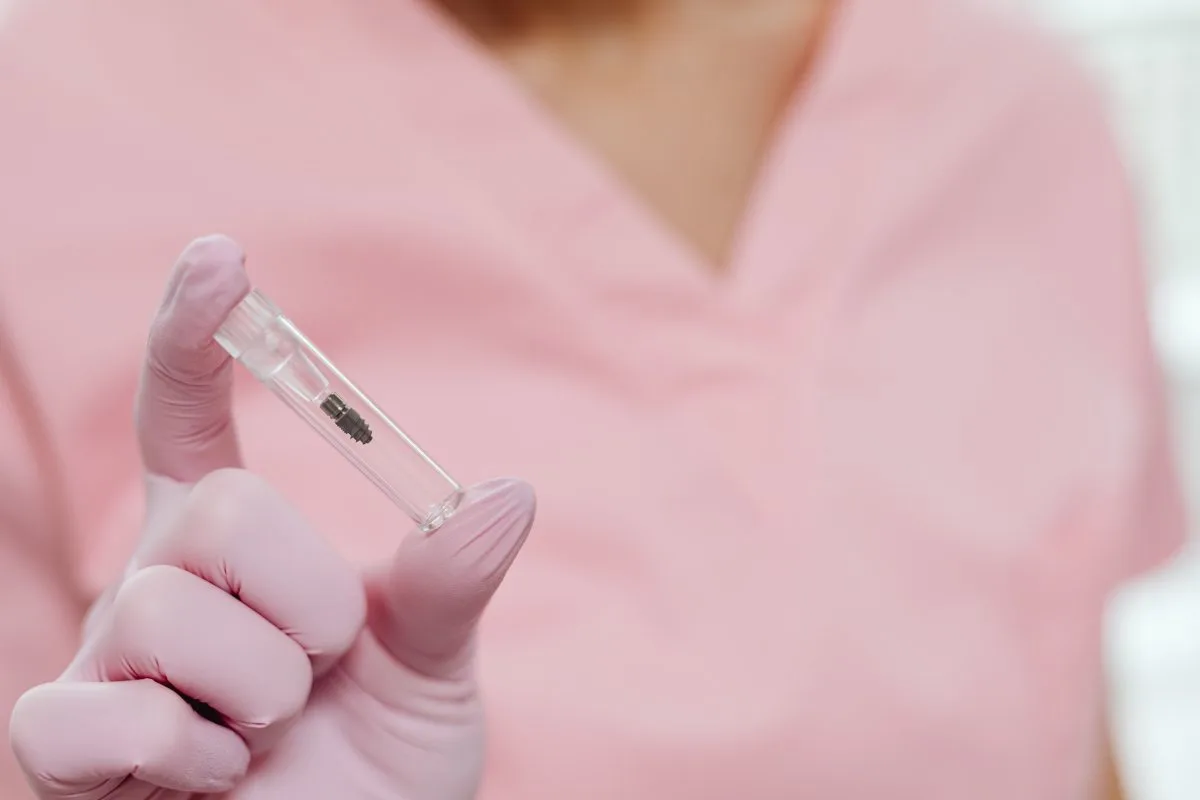
A small device is placed under the skin to keep the heart beating at a steady rate. Checked and programmed before you fly.
At a glance
- In hospital
- 2 days
- Total stay
- 7 days
- Cost
- Quoted after clinical assessment
A small device placed under the skin below the collarbone and connected to the heart by one or more fine leads. It watches the rhythm continuously and paces the heart only when the rate falls too low.
What the procedure involves
Local anaesthetic with sedation, taking one to two hours. The leads are guided into the heart through a vein and the device sits in a small pocket under the skin. Single-chamber, dual-chamber and biventricular devices do different things; which you need follows from your rhythm diagnosis.
Recovery and what to expect
Usually one to two nights in hospital. The arm on the implant side is kept below shoulder height for a few weeks while the leads settle. The device is checked and programmed before you fly, and you leave with an identification card — you will need it at airport security and before any future MRI.
What we arrange around it
About a week. We make sure you have the device card and the programming record in writing before departure: a cardiologist at home cannot follow up a device they have no data on.
This page is general information, not medical advice. Whether a procedure is right for you is a decision for a qualified clinician who has seen your reports.
Related treatments
-
Coronary Artery Bypass (CABG)
Bypass grafting to restore blood flow around blocked coronary arteries. Both on-pump and off-pump techniques are availab...
-
Minimally Invasive Bypass Surgery
Bypass performed through a smaller incision between the ribs rather than opening the breastbone, which usually means les...
-
Heart Valve Replacement
Replacement of a damaged aortic or mitral valve with a mechanical or tissue valve. The choice affects whether you will n...