
Orthopedics
Elbow Replacement
An artificial elbow for a joint destroyed by arthritis or fracture — excellent for pain and movement, but it comes with a lifting limit you keep for good.
An artificial elbow for a joint destroyed by arthritis or fracture — excellent for pain and movement, but it comes with a lifting limit you keep for good.
At a glance
- In hospital
- 4 days
- Total stay
- 21 days
- Cost
- Quoted after clinical assessment
Total elbow arthroplasty replaces a severely damaged elbow joint. It is done for osteoarthritis and rheumatoid arthritis, for severe fractures around the elbow, for stiffness and degeneration, after earlier elbow surgery has failed, for extensive tissue damage, and for tumours in or beside the joint. Partial replacement — replacing only the radial head — is an option where the damage is confined there.
Two kinds of implant
A linked prosthesis works like a hinge, with all parts joined; it is stable but can loosen over time. An unlinked prosthesis has two separate components and relies on your own ligaments for stability, so it is more prone to dislocation. Both are made from titanium and medical plastics. Which one is right depends on how much good bone and ligament you still have.
The operation
Around two to three hours. The surgeon works through an incision at the back of the elbow, moves the muscles aside, clears scar tissue, prepares the humerus and the ulna, and fixes the stems into both bones with bone cement. A small drain is left in and removed within days. Before surgery you will have an examination of movement and strength, X-rays, often MRI, CT or a bone scan, and blood tests.
Recovery, and the restriction that lasts
Hospital stay is one to four days. Physiotherapy starts soon after surgery with gentle bending; if you are in a splint it starts a few weeks later. Full function takes twelve weeks to a year. Driving usually returns at four to six weeks with medical clearance, and flying is generally advised after five to six months — you will need a certificate for metal detectors.
The restriction to understand before you consent is the lifting limit. Your surgeon will set a maximum weight, and it is permanent: exceeding it can damage the prosthesis or dislocate its components. An elbow replacement lasts up to about ten years on average, and revision surgery is possible if it fails.
Before you agree to anything
Ask which prosthesis is proposed and why, what your lifting limit will be in kilograms, and whether your work or daily life can live within it. That last question is the one people wish they had asked.
This page is general information, not medical advice. Whether a procedure is right for you is a decision for a qualified clinician who has seen your reports.
Related treatments
-
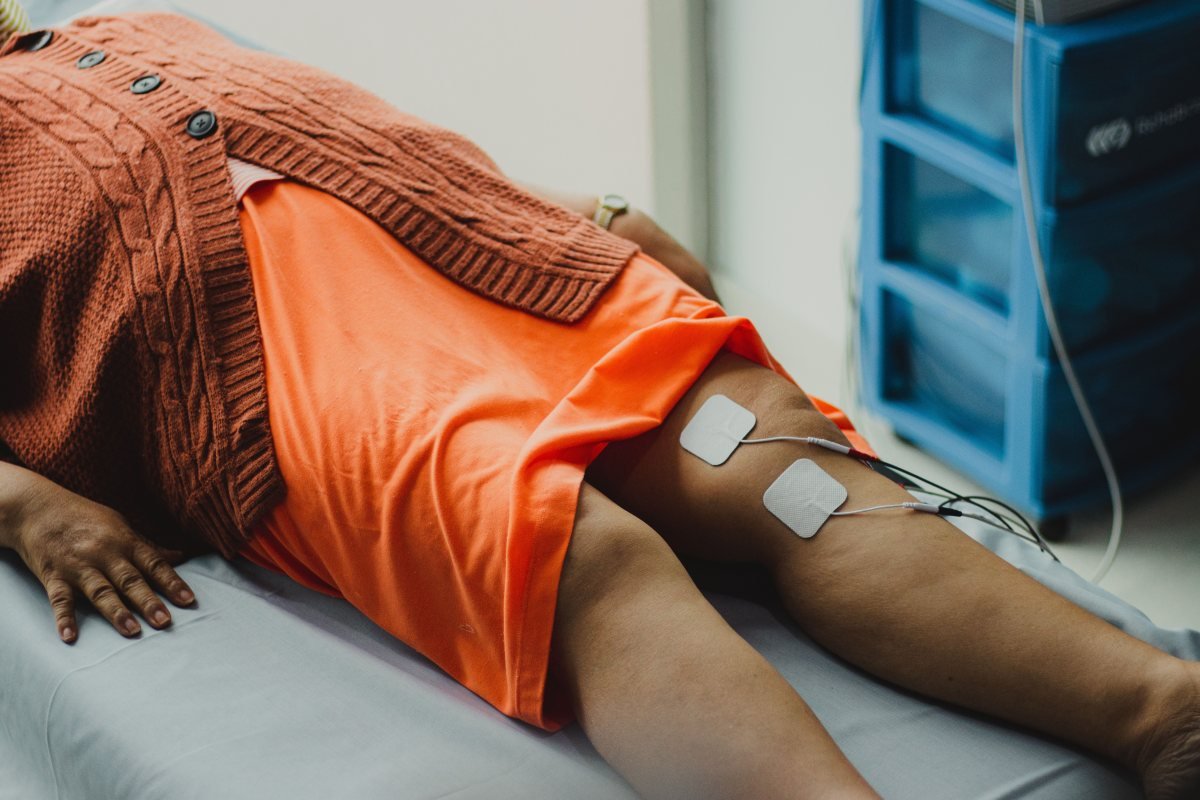
Total Knee Replacement
The worn knee joint is replaced with an implant. Most patients are walking with support within a day or two and complete...
-

Partial Knee Replacement
Only the damaged compartment of the knee is replaced, preserving healthy bone and ligament. Suitable when arthritis is l...
-
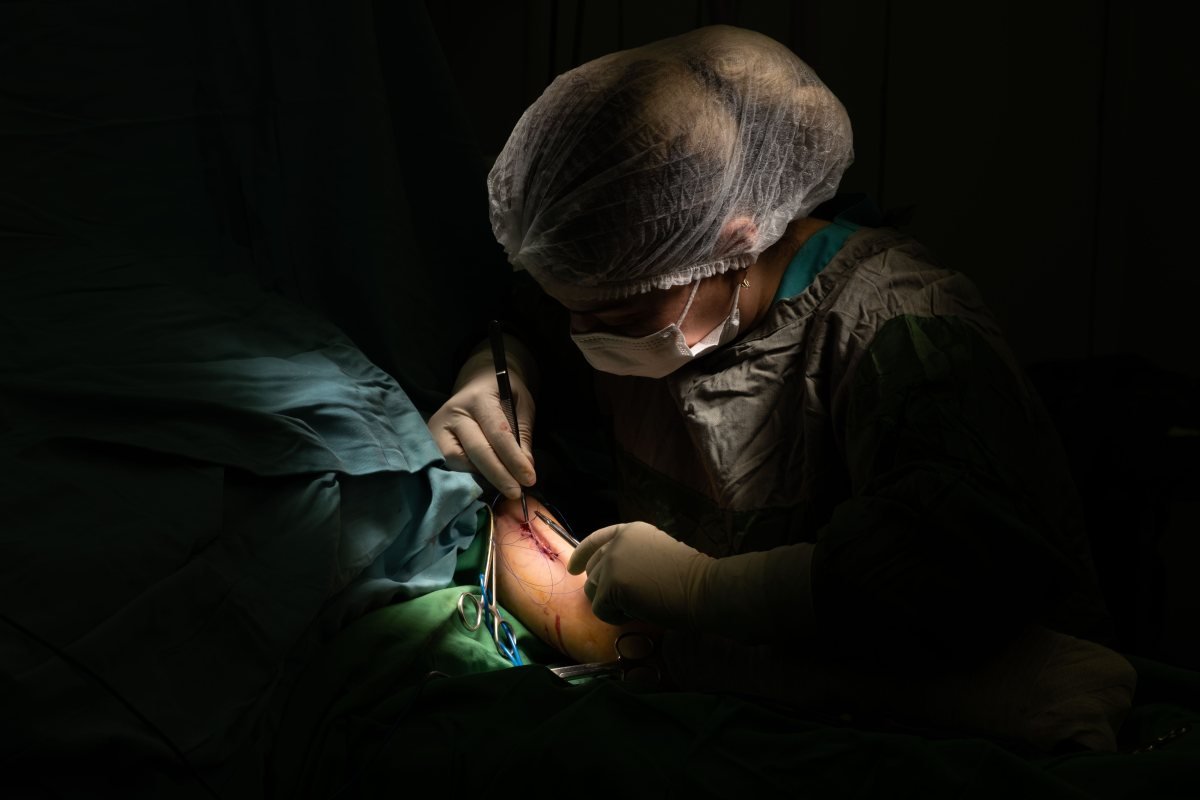
Revision Knee Replacement
Replacement of a previous implant that has loosened, worn or become infected. More complex than a first replacement, and...