
Transplants
Pancreas Transplant
Mostly for type 1 diabetes that has already damaged the kidneys. Often done together with a kidney transplant, and judged against a lifetime of immunosuppression rather than against insulin alone.
Mostly for type 1 diabetes that has already damaged the kidneys. Often done together with a kidney transplant, and judged against a lifetime of immunosuppression rather than against insulin alone.
At a glance
- In hospital
- 14 days
- Total stay
- 60 days
- Cost
- Quoted after clinical assessment
A pancreas transplant places a healthy donor pancreas into someone whose own has stopped working. The pancreas makes digestive juices and the hormones — insulin and glucagon — that hold blood sugar steady, and it is the hormone side that transplantation is aimed at. Almost everyone who receives one has type 1 diabetes: usually with complications that insulin is no longer controlling, with kidney damage or established kidney failure, with nerve or eye damage, or with repeated severe hypoglycaemic episodes that come without warning.
Four ways it is done
A pancreas alone is transplanted where the kidneys are still largely intact. A simultaneous pancreas-kidney transplant places both organs in one operation, and is the usual choice where kidney failure has already arrived or is close. A pancreas-after-kidney transplant follows a kidney transplant done earlier, when a suitable pancreas becomes available. Islet cell transplantation — infusing only the insulin-producing cells into the liver — is a fourth approach and remains a research procedure rather than established care; we say so rather than listing it as an equal option.
The operation
Three to six hours under general anaesthetic. The surgeon opens the abdomen and places the donor pancreas low in the abdomen, joining it to the blood vessels and to the small intestine so the digestive secretions have somewhere to go. Your own pancreas is left where it is: it still produces digestive enzymes, and removing it would add risk for no benefit. Recovery begins in intensive care before a move to a general ward.
What follows, for the rest of your life
Immunosuppressant medication starts immediately and continues permanently. That is the honest trade this operation asks for: freedom from insulin and from hypoglycaemic attacks, in exchange for drugs that raise the risk of infection and carry their own long-term effects. A transplanted pancreas can work for years or decades, and it can also fail and need replacing. For someone whose diabetes is stable on insulin, that trade is usually not worth making — which is why the operation concentrates on people whose diabetes has already begun destroying other organs.
Before you travel
The assessment is thorough and takes time — heart, kidneys, circulation and infection screening, alongside the tissue typing that decides donor suitability. We coordinate the hospital, the surgeon, the work-up and the stay. We do not arrange organs; deceased-donor allocation follows the law of the country where the surgery happens. Ask before you come who will supervise your immunosuppression and your diabetes care once you are home, because this is a treatment that continues long after the flight back.
This page is general information, not medical advice. Whether a procedure is right for you is a decision for a qualified clinician who has seen your reports.
Related treatments
-
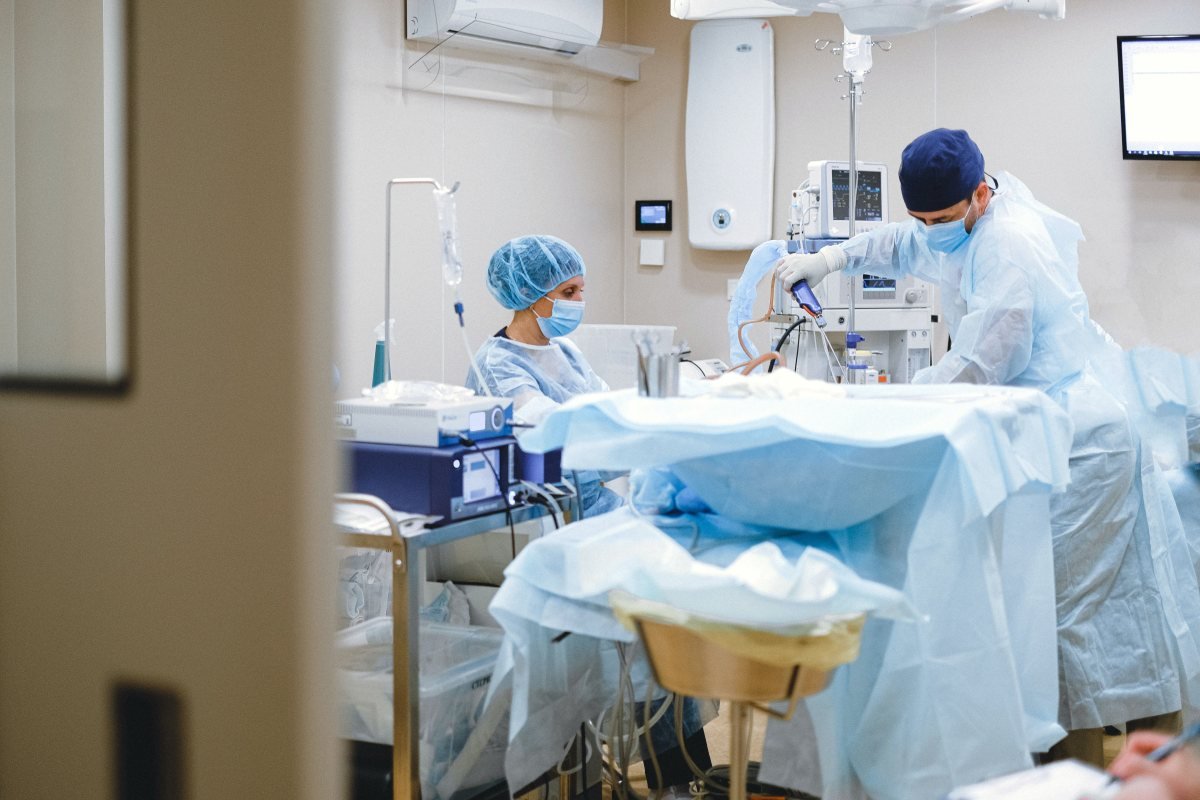
Kidney Transplant
Living-donor kidney transplant. Donor workup, legal documentation and the recipient assessment are coordinated together,...
-
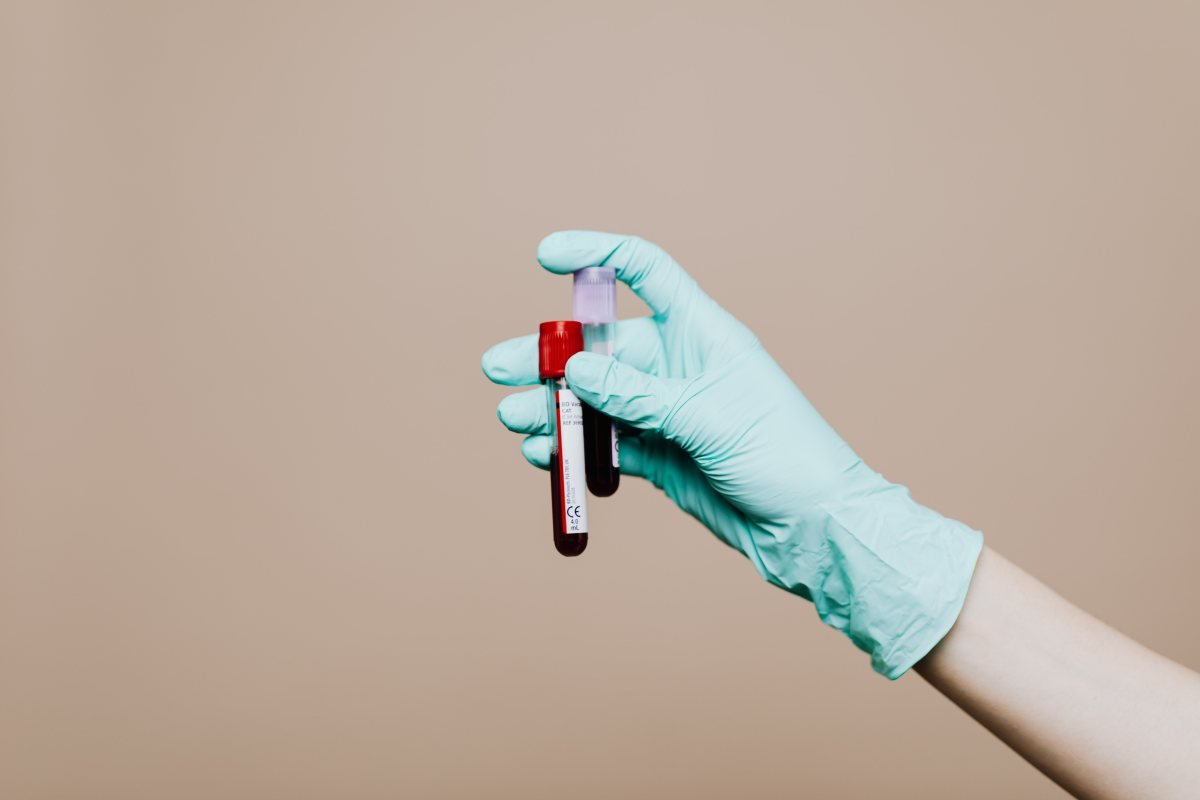
Bone Marrow Transplant
Autologous or allogeneic transplant with an extended protected stay. We will be explicit about the timeline before anyth...
-
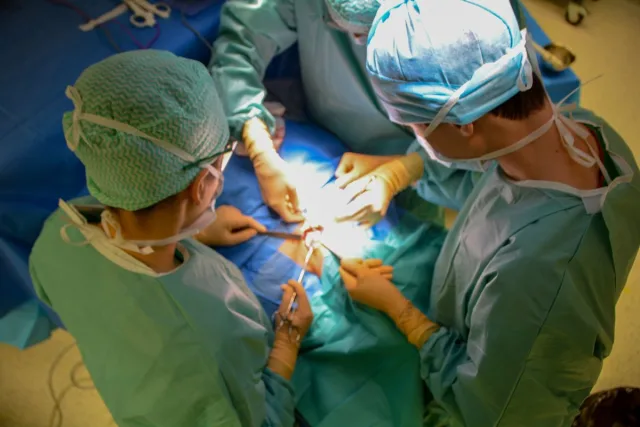
Liver Transplant
Living-donor or deceased-donor transplant. Donor workup, legal documentation and recipient assessment are coordinated to...