
Orthopedics
Avascular Necrosis Treatment
Bone dying because its blood supply has been cut off — most often in the hip, and the stage at which it is caught decides everything that can be done.
Bone dying because its blood supply has been cut off — most often in the hip, and the stage at which it is caught decides everything that can be done.
At a glance
- In hospital
- 3 days
- Total stay
- 14 days
- Cost
- Quoted after clinical assessment
Avascular necrosis, also called osteonecrosis, is the loss of bone tissue caused by a lack of blood supply. Without that supply the bone deteriorates over months or years and can eventually collapse. The hip is by far the most commonly affected joint; the knee, shoulder, ankle and jaw can also be involved. It typically appears between the ages of thirty and fifty, though it can occur at any age.
Why it happens
Trauma — a fracture or dislocation that interrupts the blood supply — is one route. The non-traumatic causes include long-term high-dose steroid treatment, heavy alcohol use, fat deposits blocking small vessels, clotting disorders and autoimmune disease. In roughly one in five cases no cause is ever found, and genetics is thought to play a part.
How it is found
Pain that comes and goes and worsens when you put weight through the joint, stiffness, a shrinking range of movement, a limp, and difficulty standing, walking or climbing stairs. Symptoms can take weeks or months to appear after the bone damage has begun. X-rays, CT and bone scans all contribute, but MRI is what detects it early — early enough for the joint-preserving options below to still be on the table.
Treatment depends entirely on the stage
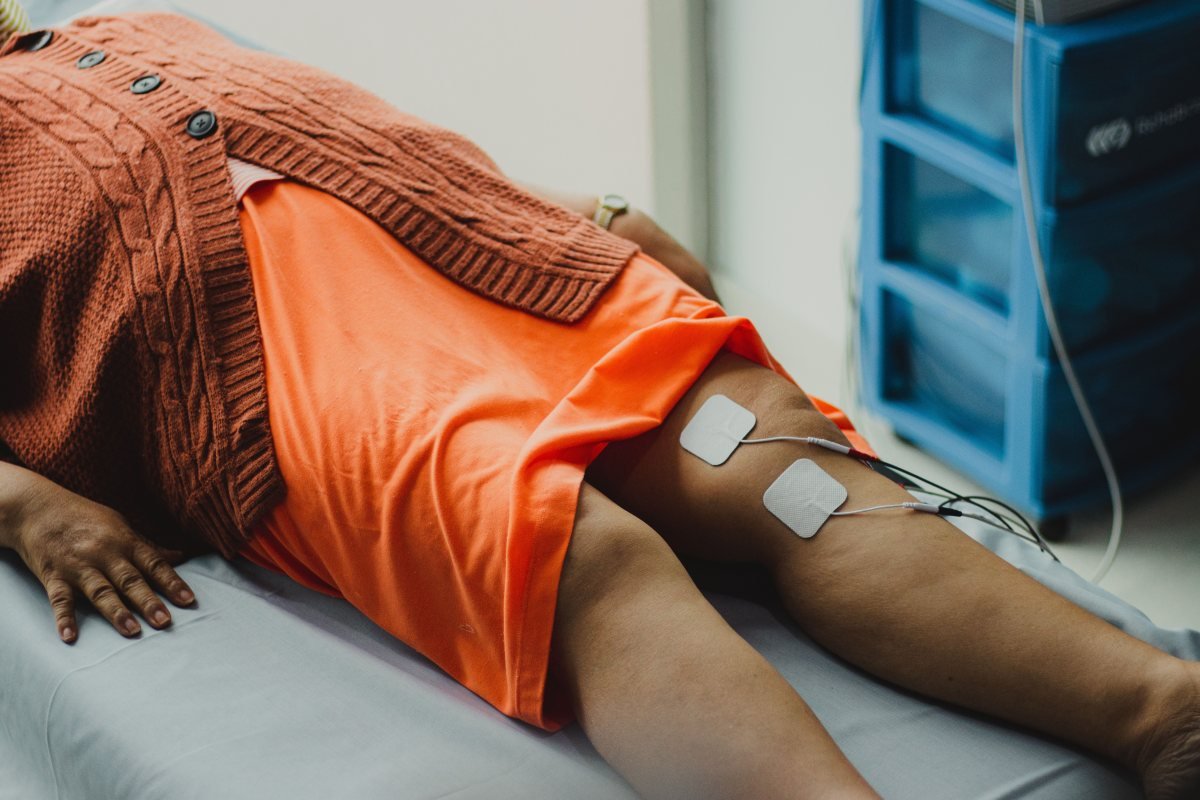
Before the bone collapses, the aim is to save the joint: anti-inflammatory medication for pain, bisphosphonates to strengthen bone, targeted physiotherapy, core decompression to relieve pressure inside the bone, and electrical or shockwave stimulation. As it progresses, osteotomy to realign the bone, vascularised bone grafts that bring their own blood supply, and biological approaches including stem cell therapy and bone grafting. Once the joint has collapsed, joint replacement is the reliable answer. Weight control, stopping smoking and using crutches during healing support all of these — after a graft, weight is usually kept off the joint for around six months.
What we will tell you
The most useful question is what stage you are at, because it determines whether you are choosing between saving the joint and replacing it. Bring your MRI films, not just the report. We will not tell you a particular treatment will work: outcome depends on the stage at diagnosis, the treatment chosen, your age and general health, and which joint is affected.
This page is general information, not medical advice. Whether a procedure is right for you is a decision for a qualified clinician who has seen your reports.
Related treatments
-
Total Knee Replacement
The worn knee joint is replaced with an implant. Most patients are walking with support within a day or two and complete...
-

Partial Knee Replacement
Only the damaged compartment of the knee is replaced, preserving healthy bone and ligament. Suitable when arthritis is l...
-
Revision Knee Replacement
Replacement of a previous implant that has loosened, worn or become infected. More complex than a first replacement, and...