
Neurosurgery
Epilepsy Surgery
For seizures that two or more medicines have failed to control — removing, disconnecting or electrically interrupting the part of the brain the seizures start in.
For seizures that two or more medicines have failed to control — removing, disconnecting or electrically interrupting the part of the brain the seizures start in.
At a glance
- In hospital
- 4 days
- Total stay
- 21 days
- Cost
- Quoted after clinical assessment
Epilepsy is the tendency to recurrent, unprovoked seizures caused by sudden bursts of abnormal electrical activity in the brain, which change behaviour, sensation, awareness or muscle control depending on where in the brain they begin. Surgery is never the first treatment. It becomes a serious option when at least two anti-seizure medicines have failed to control the seizures, when the seizures are frequent enough to interfere with ordinary life, or when a condition other than epilepsy turns out to be causing them.
Why not simply live with them
Because uncontrolled seizures carry their own costs: physical injury during an attack, drowning if one happens in water, gradual worsening of memory and thinking, depression and anxiety, developmental delay in children, and a small but real risk of sudden death. Weighing surgery is a matter of comparing those risks against the operation, not of comparing the operation against nothing.
The evaluation — which is most of the work
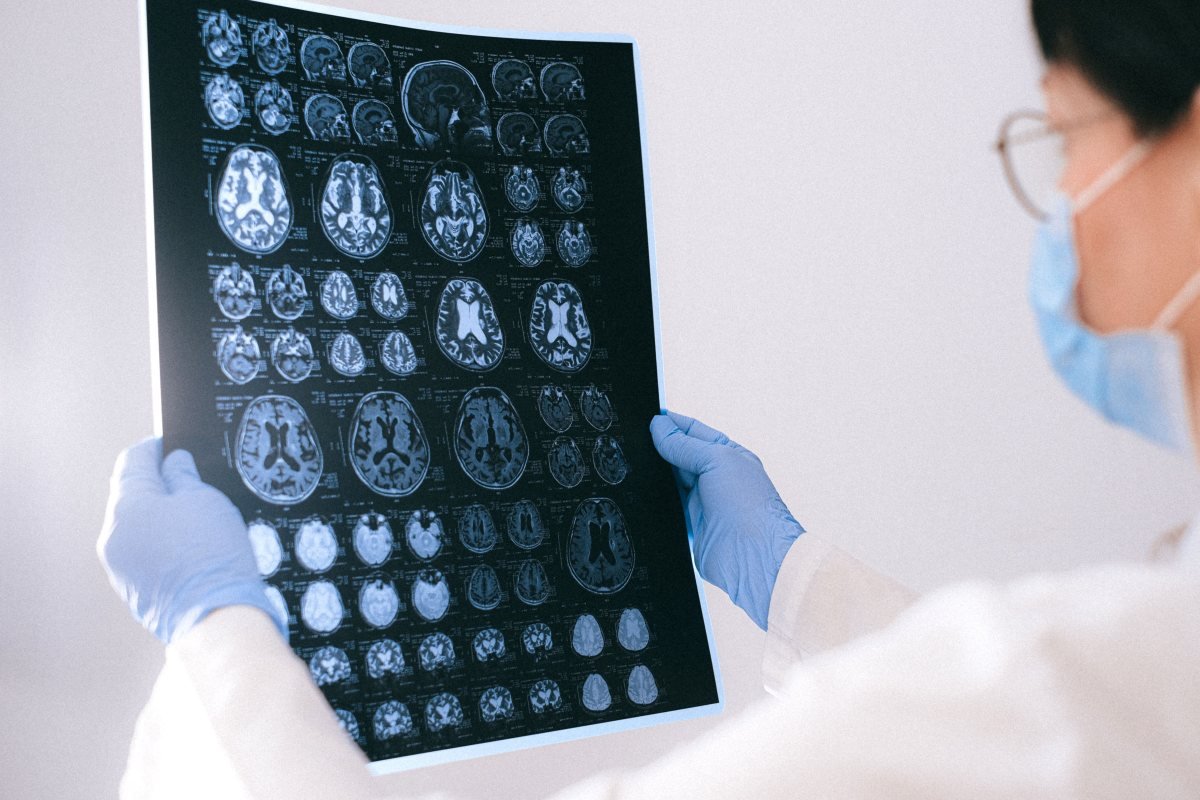
The point of the assessment is to find precisely where the seizures start and whether that piece of brain can be removed safely. An EEG records electrical activity through scalp electrodes. Video-EEG monitoring captures actual seizures as they happen, which is what identifies their type and origin. An ambulatory EEG sends the patient home with a portable recorder for one to three days. MRI or CT looks for a tumour, scar or cyst behind the seizures. Blood tests check for infection and for metabolic, liver and kidney problems. Where the source is still uncertain or lies near functionally critical brain, stereo-EEG with implanted electrodes and Wada testing map the seizure focus and the areas that must be preserved. If this stage cannot localise the seizures, surgery is not offered — and that answer is a legitimate outcome of the assessment.
The operations, and what each is for
Resective surgery, the most common, removes the small area the seizures arise from — often the site of a tumour, a malformation or an old injury. Laser interstitial thermal therapy is far less invasive: an MRI-guided laser destroys a small, precisely targeted volume of tissue. Corpus callosotomy divides, partly or completely, the bundle of fibres joining the two hemispheres, and is used in children whose abnormal activity spreads from one side to the other. Hemispherectomy removes the grey matter of one hemisphere, for seizures arising from several sites within a single hemisphere as a result of a condition present at birth or in early infancy; functional hemispherectomy achieves the same disconnection without removing the tissue. Deep brain stimulation implants a device that delivers regularly timed electrical signals to interrupt seizure-generating activity.
The operation, recovery, and the honest caveat
Resective and disconnective procedures are done under general anaesthetic. A small area of scalp is shaved and cleaned, an incision is made, a section of skull is temporarily removed, the target tissue is removed, disconnected or the device implanted, and the bone is replaced and the scalp closed. Expect three to four days in hospital with the first night in intensive care. Fatigue, headache and dizziness are usual for the first few weeks; most people return to normal activities in four to six weeks, with full recovery over one to three months and regular follow-up throughout. Seizures can return after surgery, most often because the seizure-generating zone was not completely removed. Both sources we used quote a seizure-freedom percentage; neither attributes it to a register or a published series, so we do not repeat it. Ask your surgeon for their own centre's results for your specific procedure — that is the number that applies to you.
This page is general information, not medical advice. Whether a procedure is right for you is a decision for a qualified clinician who has seen your reports.
Related treatments
-
Brain Tumour Surgery
Surgical removal of a brain tumour, planned from your imaging and often supported by intraoperative navigation. Histolog...